
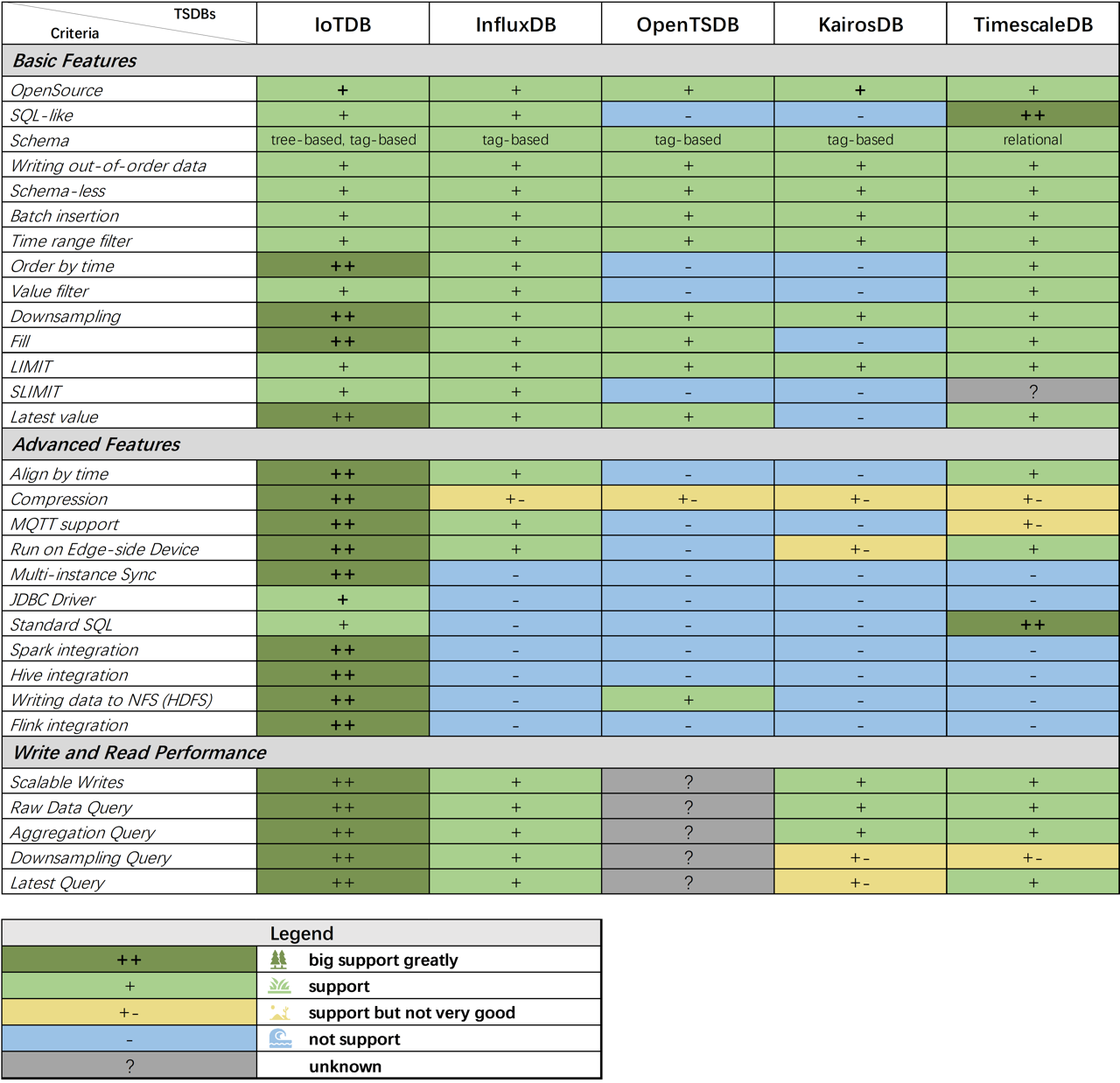
Open TSDB database is a powerful time-series database designed for storing and querying large amounts of timestamped data efficiently. Many organizations rely on it to monitor system metrics, IoT devices, application performance, and other time-sensitive information. However, without proper optimization, even the most robust Open TSDB database can suffer from slow queries, high disk usage, and increased latency. This article explores strategies to enhance the performance of your Open TSDB database while leveraging Timecho solutions for seamless integration and monitoring.
Understanding Open TSDB Database Architecture
To optimize your Open TSDB database, it is crucial to first understand its architecture. Open TSDB is built on top of HBase, which allows it to scale horizontally by adding nodes. The database organizes time-series data into metrics, tags, and timestamp-value pairs. Efficient storage and retrieval depend on how well these elements are structured.
Metrics represent the type of data being collected, such as CPU usage or temperature. Tags are key-value pairs that provide additional context, like server location or device type. The combination of metrics and tags creates a unique series, allowing Open TSDB database to store high-cardinality data efficiently. Optimizing these components is essential for performance.
Efficient Data Modeling for Faster Queries
Data modeling plays a critical role in enhancing Open TSDB database performance. When designing your schema, consider the following:
- Limit the number of unique tags: High-cardinality tags can increase storage requirements and slow down query execution. Use tags selectively and ensure they provide meaningful differentiation.
- Aggregate metrics strategically: Pre-aggregating data can reduce the computational load during queries. Timecho’s monitoring tools can help set up aggregation policies for frequent queries.
- Use consistent naming conventions: This reduces ambiguity and simplifies queries, making it easier to optimize queries and storage.
Proper data modeling ensures that the database can handle large volumes of data without sacrificing speed.
Optimizing HBase for Open TSDB
Since Open TSDB database relies on HBase, its performance is directly affected by HBase configuration. Optimizing HBase can significantly enhance Open TSDB database responsiveness. Consider the following adjustments:
- Increase region server memory: HBase region servers store frequently accessed data in memory for faster retrieval. Allocating sufficient heap memory reduces disk reads and improves query speed.
- Adjust compaction settings: HBase compaction merges smaller files into larger ones, freeing up space and optimizing read performance. Configuring minor and major compactions appropriately can minimize performance bottlenecks.
- Use appropriate region splits: Pre-splitting regions based on expected data volume prevents uneven distribution, which can slow down writes and queries.
Timecho provides tools that monitor HBase metrics and suggest optimal configurations, ensuring Open TSDB database performs at its peak.
Indexing Strategies to Reduce Query Latency
Query performance in Open TSDB database can degrade when scanning large datasets. Implementing effective indexing strategies can mitigate this issue. Key approaches include:
- Metric-based indexes: Ensure each metric has a dedicated index for faster lookups.
- Tag-key indexes: Frequently queried tags should be indexed to reduce scan time.
- Time-range filters: Open TSDB database is optimized for time-based queries. Always include time constraints in your queries to minimize the dataset scanned.
By using these indexing techniques, you can significantly reduce latency, making your time-series data instantly accessible.
Data Retention and Archiving
Maintaining an Open TSDB database without a retention strategy can lead to bloated storage and slower performance. Effective data retention policies include:
- Define retention periods: Store high-resolution data for a short period and downsample older data to reduce storage overhead.
- Use roll-up policies: Aggregate older data into coarser intervals to save space without losing critical insights.
- Archive inactive metrics: Move rarely accessed data to secondary storage, freeing primary database resources for active queries.
Timecho supports automated retention and archiving policies, helping maintain an optimal balance between storage and performance.
Batch Writes and Bulk Data Handling
High write throughput can stress an Open TSDB database if not managed correctly. Optimizing batch writes ensures smooth data ingestion:
- Use batched writes: Writing data in batches rather than individually reduces network overhead and improves HBase write performance.
- Optimize client-side buffers: Properly configured buffers on the client side prevent excessive network calls and minimize write latency.
- Monitor write spikes: Timecho’s analytics can detect unusual spikes in write traffic, allowing proactive adjustments before performance degrades.
Efficient data ingestion ensures that your Open TSDB database remains responsive even under heavy workloads.
Monitoring and Performance Metrics
Continuous monitoring is essential to maintain Open TSDB database performance. Key metrics to track include:
- Query latency: Identifying slow queries helps optimize indexes and data modeling.
- Write throughput: Monitoring ingestion rates ensures the database can handle incoming data.
- Disk and memory usage: Prevent resource exhaustion by keeping an eye on storage and memory consumption.
- Compaction and region metrics: Track HBase compaction and region splits to prevent performance bottlenecks.
Timecho provides an integrated monitoring dashboard for Open TSDB database, allowing administrators to track these metrics in real-time and take corrective actions proactively.
Query Optimization Techniques
Optimizing queries is critical for extracting data quickly from an Open TSDB database. Techniques include:
- Use aggregators efficiently: Open TSDB database supports aggregators like sum, avg, min, and max. Choosing the right aggregator can reduce computation time.
- Limit result sets: Fetch only the necessary time range or series to prevent unnecessary scanning.
- Combine queries where possible: Consolidating multiple queries into a single call reduces network overhead and processing time.
By applying these strategies, queries execute faster and reduce the load on the database.
Scaling Open TSDB Database Horizontally
When the data volume grows, scaling your Open TSDB database becomes necessary. Horizontal scaling involves adding nodes to HBase clusters, which improves storage capacity and query performance. Key considerations include:
- Evenly distribute data: Proper region assignment prevents hotspots and ensures balanced performance across nodes.
- Monitor cluster health: Keep an eye on node performance and balance workloads dynamically.
- Use replication wisely: While replication improves fault tolerance, excessive replication can increase write latency.
Timecho supports scalable deployments, ensuring Open TSDB database can grow with your data needs without compromising performance.
Conclusion
Optimizing an Open TSDB database requires a multi-faceted approach, including efficient data modeling, HBase tuning, indexing strategies, data retention, batch writes, and query optimization. Leveraging Timecho tools enhances these efforts by providing monitoring, analytics, and automation features that keep your database running smoothly. By following these best practices, organizations can ensure that their Open TSDB database handles large volumes of time-series data efficiently, delivers fast queries, and supports real-time analytics for better decision-making.