
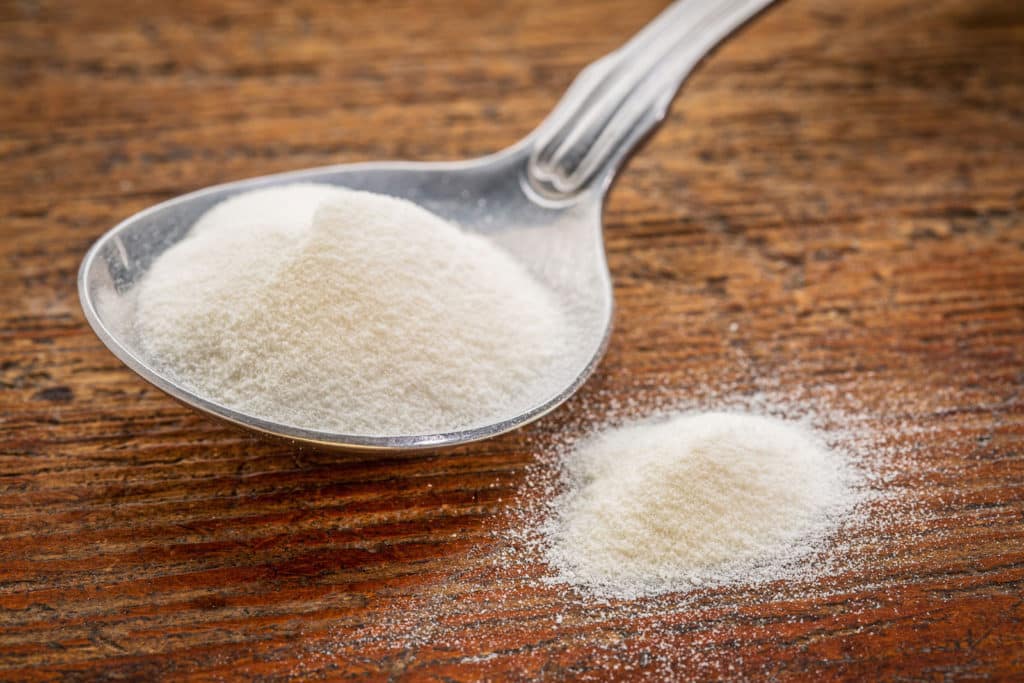
Collagen has become a buzzword in the beauty industry, often touted as the ultimate secret to youthful skin and glossy hair. But beyond marketing slogans, what is collagen, and how exactly does it impact our skin and hair health? Understanding the science behind collagen can help you make informed decisions about which beauty products truly support your natural radiance.
What Collagen Is and Why It Matters
Collagen is a structural protein found throughout the body, making up about 30% of total protein content. It acts like a scaffolding, providing strength, elasticity, and structure to connective tissues including skin, hair, nails, and joints. As we age, collagen production naturally declines, resulting in wrinkles, sagging skin, and weaker hair strands. This is why collagen has become a focal point in both dietary supplements and topical beauty products.
The protein itself is made up of amino acids like glycine, proline, and hydroxyproline, which are crucial for maintaining skin elasticity and firmness. When collagen levels drop, the skin’s ability to retain moisture diminishes, leading to dryness and fine lines. Hair can also become brittle and prone to breakage because collagen contributes to the strength of the hair follicle and scalp.
How Collagen Supports Skin Health
Collagen’s impact on skin goes beyond simple hydration. It plays a vital role in maintaining skin elasticity, which helps prevent sagging and reduces the appearance of wrinkles. Research shows that increasing collagen levels—whether through dietary intake, supplements, or certain beauty products—can stimulate the skin’s natural repair processes.
Topical beauty products infused with collagen peptides or ingredients that promote collagen synthesis, such as vitamin C, can help support the skin’s structure. While collagen molecules in creams are generally too large to penetrate deeply, they can still improve hydration and provide a protective barrier on the skin surface. Beauty products that combine collagen with hyaluronic acid, peptides, and antioxidants offer the most comprehensive benefits, helping to maintain firmness, smoothness, and glow.
Collagen and Hair Strength
Hair health is closely tied to collagen because it contributes to the integrity of hair follicles and the scalp’s extracellular matrix. Collagen peptides can help nourish the follicles, supporting stronger, thicker hair growth. Some studies suggest that oral collagen supplements may improve hair density and reduce hair thinning, especially in individuals experiencing age-related hair loss.
Beauty products for hair that incorporate collagen, keratin, and other proteins can strengthen the hair shaft, reduce breakage, and improve overall texture. Shampoos, conditioners, and hair masks enriched with collagen-derived peptides are designed to penetrate the hair cuticle, providing resilience and shine. While topical products cannot replace internal collagen, they complement dietary strategies for hair health.
Collagen in Beauty Products: What Works
The beauty industry has capitalized on collagen’s reputation, offering a wide range of products from creams to serums and masks. However, it’s important to differentiate between marketing claims and scientifically supported benefits.
Hydrolyzed collagen, also known as collagen peptides, is broken down into smaller molecules that are easier for the body to absorb. Supplements containing these peptides can stimulate collagen synthesis in the skin and hair. Look for beauty products that combine collagen with supporting ingredients such as vitamin C, zinc, and antioxidants, which enhance the body’s natural collagen production.
Topical collagen products primarily function as moisturizers and can help improve the skin’s appearance by creating a hydrated, plump surface. While they may not penetrate deep enough to rebuild the dermis, they reduce water loss and can temporarily smooth fine lines.
The Role of Nutrition in Collagen Maintenance
Diet plays a crucial role in maintaining collagen levels. Protein-rich foods such as fish, chicken, eggs, and legumes provide the amino acids needed for collagen synthesis. Nutrients like vitamin C, copper, and zinc are co-factors that support the enzymatic processes that form new collagen fibers.
Some foods, like bone broth and gelatin, contain preformed collagen, which may help supplement the body’s natural stores. Combining these dietary strategies with collagen-based beauty products creates a comprehensive approach to skin and hair health, ensuring both internal and external support.
Lifestyle Factors That Affect Collagen
Beyond diet, several lifestyle factors can accelerate collagen breakdown. Chronic sun exposure, smoking, poor sleep, and high sugar intake all contribute to the degradation of collagen fibers. UV radiation, for instance, damages the dermal collagen network, leading to premature wrinkles and loss of skin elasticity. Stress hormones can also interfere with collagen synthesis, impacting both skin and hair quality.
Incorporating protective beauty products, such as sunscreens and antioxidant serums, alongside collagen-focused skincare, helps mitigate environmental damage. Regular exercise has also been linked to improved collagen production, as physical activity enhances circulation and nutrient delivery to the skin.
Collagen Supplements vs. Topical Products
Deciding between collagen supplements and topical beauty products depends on your goals. Supplements offer systemic benefits by increasing collagen availability throughout the body, potentially improving skin elasticity, hydration, and hair thickness over time. Topical products, while limited in their ability to penetrate deeply, provide immediate hydration and surface-level smoothing effects.
Many experts recommend a combined approach: taking high-quality collagen supplements while using targeted beauty products that support the skin and hair externally. This strategy maximizes collagen benefits, addressing both structural health and cosmetic appearance.
Emerging Research on Collagen
Scientific research continues to explore the full potential of collagen in dermatology and cosmetology. Studies on collagen peptides indicate improvements in skin hydration, elasticity, and wrinkle reduction after consistent supplementation for several weeks. Research also suggests that collagen may support wound healing and reduce visible signs of aging by promoting fibroblast activity in the dermis.
Innovations in beauty products now focus on bioactive peptides that stimulate the skin’s own collagen production rather than simply delivering collagen externally. These formulations, combined with antioxidants and hydrating agents, offer a more targeted and effective approach for anti-aging and hair-strengthening benefits.
Conclusion
Collagen is much more than a trendy ingredient in beauty products—it is a fundamental protein that maintains the integrity of skin, hair, and connective tissue. Understanding its role helps consumers make informed choices about supplements, skincare, and haircare products. While aging inevitably reduces collagen levels, a combination of nutrition, lifestyle management, and scientifically backed beauty products can help preserve and enhance skin elasticity, hydration, and hair strength.
Investing in collagen-focused solutions, whether through dietary intake or high-quality beauty products, is not just about aesthetics—it’s about supporting the structural foundation that keeps your skin and hair healthy and resilient. With consistent care and evidence-based strategies, collagen can truly transform your natural beauty from the inside out.