
Why Energy Efficiency Matters in Kitchen Remodeling
Kitchen remodeling is one of the most impactful home improvement projects for creating a more sustainable and energy-efficient living space. The kitchen is typically one of the highest energy-consuming areas in a home due to constant use of appliances, lighting, heating, cooling, and water systems. By focusing on energy-efficient upgrades during kitchen remodeling, homeowners can significantly reduce utility bills, minimize environmental impact, and improve overall home comfort.
Modern kitchen remodeling is no longer just about aesthetics; it is about combining style with sustainability. Energy-efficient design choices help reduce carbon footprints while making daily kitchen tasks more cost-effective and convenient. Whether you are upgrading a small kitchen or designing a luxury space, integrating sustainability into kitchen remodeling is a smart long-term investment.
Energy Efficient Appliances for Modern Kitchen Remodeling
One of the most important aspects of kitchen remodeling is selecting energy-efficient appliances. Appliances such as refrigerators, ovens, dishwashers, and microwaves account for a large portion of household energy usage.
When planning kitchen remodeling, always look for appliances with high energy ratings such as ENERGY STAR-certified models. These appliances are designed to use less electricity and water without compromising performance.
For example, modern refrigerators use advanced insulation and compressors that reduce energy consumption significantly compared to older models. Similarly, energy-efficient dishwashers use sensors to adjust water usage based on load size, making them ideal for sustainable kitchen remodeling projects.
Induction cooktops are another excellent addition during kitchen remodeling. They heat food faster while using less energy compared to traditional gas or electric stoves. By upgrading appliances during kitchen remodeling, homeowners can achieve long-term savings and improved efficiency.
Smart Lighting Solutions in Kitchen Remodeling
Lighting plays a crucial role in kitchen remodeling, both in terms of design and energy consumption. Traditional lighting systems consume a large amount of electricity, especially in kitchens that require bright and consistent lighting.
Switching to LED lighting is one of the easiest and most effective ways to improve energy efficiency during kitchen remodeling. LED lights consume significantly less energy and last much longer than incandescent bulbs.
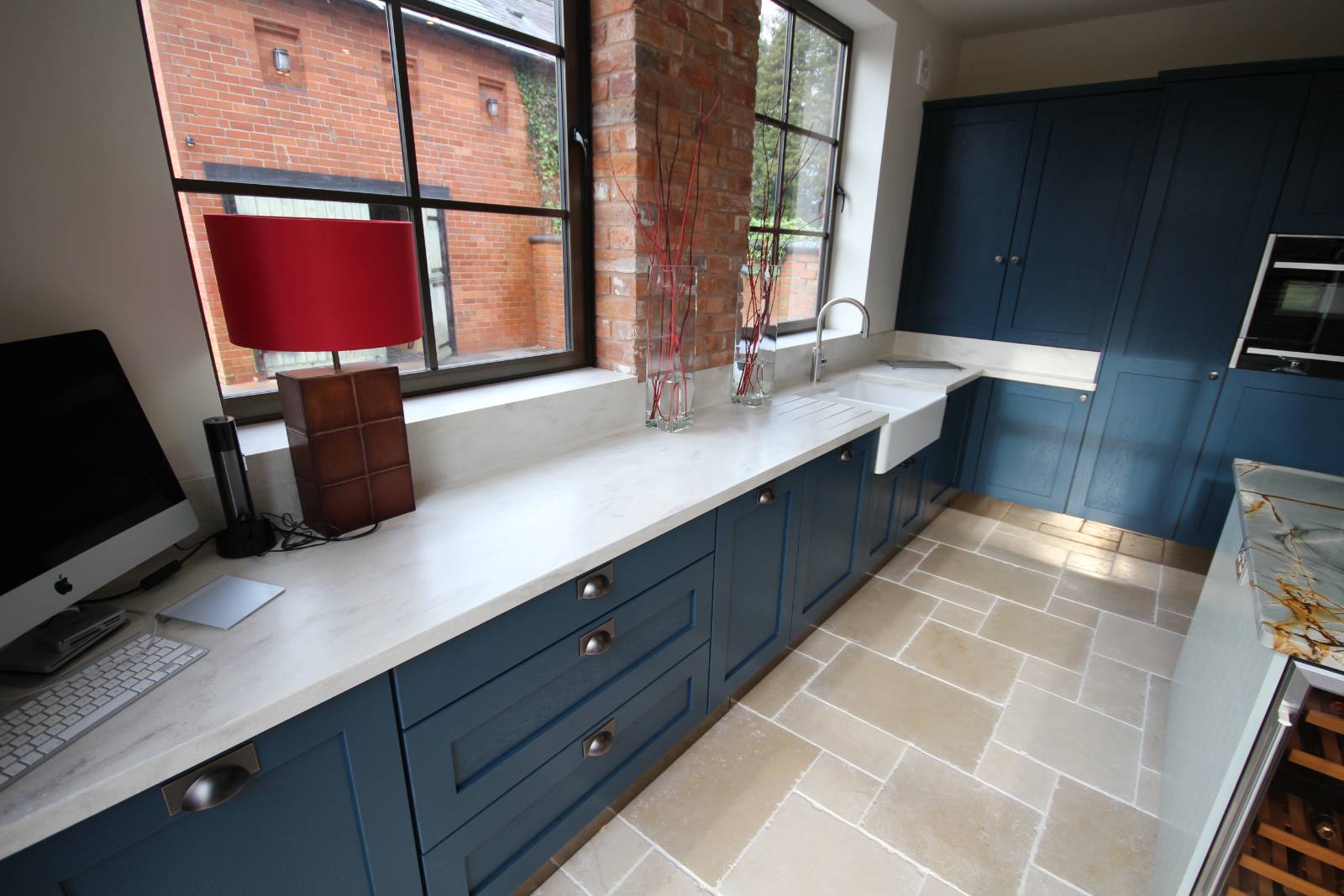
In addition to LED lighting, incorporating natural light is a smart strategy in kitchen remodeling. Installing larger windows, skylights, or glass doors can reduce the need for artificial lighting during the day. This not only lowers energy usage but also creates a brighter and more inviting kitchen environment.
Motion sensor lights and dimmer switches are also excellent additions in kitchen remodeling. They allow homeowners to control energy usage more effectively by adjusting brightness based on need.
Water Efficiency in Kitchen Remodeling Design
Water conservation is another essential aspect of sustainable kitchen remodeling. Kitchens use a significant amount of water for cooking, cleaning, and washing dishes, making efficient water systems very important.
Installing low-flow faucets is a simple yet effective upgrade during kitchen remodeling. These faucets reduce water flow without affecting pressure, helping conserve water on a daily basis.
Modern dishwashers designed for energy-efficient kitchen remodeling also use less water compared to handwashing dishes. Choosing such appliances can drastically reduce water waste.
Additionally, integrating a water filtration system during kitchen remodeling can eliminate the need for bottled water, reducing plastic waste and improving sustainability.
Sustainable Materials for Kitchen Remodeling
The materials used in kitchen remodeling have a significant impact on environmental sustainability. Choosing eco-friendly materials helps reduce waste and supports healthier indoor environments.
Bamboo, reclaimed wood, and recycled materials are popular choices in modern kitchen remodeling. These materials are not only durable but also environmentally responsible.
For countertops, materials such as recycled glass, quartz, and sustainably sourced stone are excellent options for kitchen remodeling projects. They offer durability while minimizing environmental impact.
Cabinetry made from FSC-certified wood ensures responsible forest management, making it a smart choice in kitchen remodeling focused on sustainability.
Low-VOC paints and finishes are also important in kitchen remodeling. They reduce harmful emissions and improve indoor air quality, making the kitchen safer and healthier.
Smart Technology Integration in Kitchen Remodeling
Smart technology is transforming the way kitchen remodeling is approached. Smart kitchens allow homeowners to control appliances, lighting, and energy usage through mobile apps or voice commands.
For example, smart refrigerators can track food inventory and reduce energy waste by optimizing cooling systems. Smart ovens can be preheated remotely, saving time and energy.
In kitchen remodeling, integrating smart thermostats and energy monitoring systems helps homeowners track and manage energy consumption more effectively.
Smart faucets that control water flow and temperature automatically are also becoming popular in sustainable kitchen remodeling designs.
By incorporating smart technology, kitchen remodeling becomes more efficient, convenient, and environmentally friendly.
Efficient Layout Planning in Kitchen Remodeling
The layout of a kitchen plays a major role in energy efficiency. A well-planned kitchen remodeling layout reduces unnecessary movement and improves workflow efficiency.
The classic kitchen work triangle—connecting the stove, sink, and refrigerator—is still widely used in kitchen remodeling because it improves functionality and reduces energy waste.
Open layouts in kitchen remodeling also help improve natural ventilation and lighting, reducing the need for artificial cooling and lighting systems.
Proper insulation and ventilation systems should also be considered during kitchen remodeling to maintain temperature control efficiently.
Long-Term Benefits of Energy Efficient Kitchen Remodeling
Investing in energy-efficient kitchen remodeling provides long-term financial and environmental benefits. While initial costs may be higher, savings on utility bills quickly offset the investment.
Energy-efficient kitchen remodeling reduces electricity and water consumption, making homes more sustainable and environmentally responsible.
It also increases property value, as modern buyers are increasingly looking for eco-friendly and energy-efficient homes.
In addition, kitchen remodeling with sustainability in mind improves indoor comfort, air quality, and overall usability of the space.
Conclusion
Energy-efficient ideas in kitchen remodeling are essential for building sustainable homes that are cost-effective and environmentally friendly. From smart appliances and LED lighting to eco-friendly materials and water-saving systems, every element of kitchen remodeling can contribute to a greener lifestyle.