
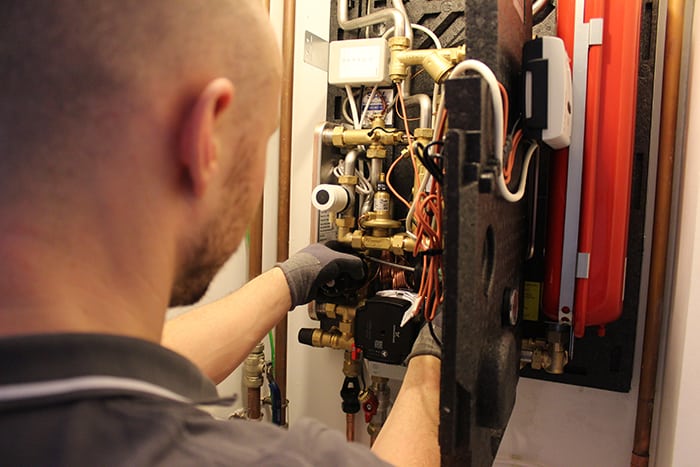
Heat Interface Units (HIUs) play an important role in modern communal and district heating systems. They transfer heat from a central network into individual properties, providing domestic hot water and space heating without requiring each home to have its own traditional boiler. Like any mechanical and hydraulic system, an HIU can develop faults that affect comfort, efficiency, and reliability.
Understanding common warning signs can help residents, landlords, property managers, and maintenance teams respond appropriately. While some basic observations can be made safely, technical diagnosis and repairs should generally be handled by qualified professionals. This practical guide explains common HIU problems, what may cause them, and when professional HIU repair London services may be required.
Understanding How an HIU Works
An HIU contains several components that work together to transfer heat efficiently. Depending on the model and installation, these can include heat exchangers, valves, pumps, strainers, temperature sensors, pressure controls, flow meters, and electronic controls.
The primary heating circuit receives hot water from the communal network. The HIU transfers this heat through a heat exchanger to provide domestic hot water or heating for the property. Because several components interact, a problem with one part can sometimes produce symptoms elsewhere in the system.
For example, poor hot water temperature may result from restricted flow, a faulty sensor, a control valve issue, or a problem with the wider heating network. This is why professional diagnosis is often more useful than simply replacing the first component that appears faulty.
Recognising Common HIU Fault Symptoms
Identifying the symptoms of an HIU problem is the first step toward finding the underlying cause. Residents may notice changes gradually or experience a sudden loss of heating or hot water.
Inconsistent Hot Water
One of the most common complaints is hot water that becomes too cool, fluctuates between temperatures, or takes longer than usual to reach the desired temperature.
Possible causes include restricted primary flow, scale accumulation, a malfunctioning temperature sensor, control valve problems, or an issue with the heat exchanger. A qualified engineer can test temperatures and flow conditions to determine where the problem originates.
Poor Space Heating
Radiators or underfloor heating systems may fail to reach their expected temperature even when the controls appear to be working.
This can occur because of insufficient primary flow, air or circulation problems, incorrect control settings, or a faulty actuator or valve. If only one property is affected while neighbouring properties operate normally, the HIU or its immediate connections may require closer inspection.
Unusual Noises
Clicking, humming, rattling, or vibrating sounds can indicate that a component is operating incorrectly. A pump may produce unusual noise when circulation is restricted, while valves can sometimes make noise when they are struggling to regulate flow.
Noise should not automatically be assumed to indicate a serious failure, but a sudden change in sound is worth reporting. Professional HIU repair London technicians can inspect the system and identify whether the sound is related to a mechanical, hydraulic, or control issue.
Checking Flow and Temperature Problems
HIUs depend heavily on appropriate flow and temperature conditions. If the primary water supply is not reaching the unit correctly, performance can decline even when the HIU itself has no major internal failure.
Engineers may measure inlet and outlet temperatures, examine differential pressure, and check whether valves respond correctly to heating demand. These measurements provide more useful information than simply observing whether the unit feels warm.
A significant temperature difference can help indicate whether heat is being transferred effectively. However, readings must be interpreted according to the specific HIU design and operating conditions rather than against a single universal value.
The Role of Filters and Strainers
Small amounts of debris can enter heating systems, particularly after installation work, maintenance, or modifications. Many HIUs therefore incorporate strainers or filters designed to protect sensitive components.
When a strainer becomes restricted, water flow can decrease. This may contribute to poor heating performance, slow hot water production, or unusual pressure conditions.
Cleaning or inspecting these components can be part of professional maintenance. Because opening heating equipment can involve hot water and pressurised systems, residents should avoid attempting technical work themselves unless they are appropriately trained and authorised.
Faulty Valves and Actuators
Control valves regulate how much heating water passes through different parts of the HIU. An actuator controls the movement of a valve according to signals from the system controls.
If a valve becomes stuck or an actuator fails, the HIU may not respond correctly when heating or hot water is requested. A property might therefore experience heating that stays on, fails to activate, or fluctuates unexpectedly.
Diagnosis usually involves checking electrical signals, valve movement, system demand, and associated sensors. Replacing a component without establishing the cause can lead to repeated faults, so systematic testing is important.
Sensor and Control Issues
Modern HIUs often depend on electronic sensors to monitor temperatures and regulate operation. A defective or incorrectly positioned sensor can send inaccurate information to the control system.
Symptoms may include incorrect water temperatures, delayed heating response, unexpected cycling, or error messages on the interface.
Professionals can test sensor readings and compare them with actual operating conditions. They can also inspect wiring, connections, and control settings where appropriate. This approach helps distinguish between a sensor failure and a separate problem that is producing misleading symptoms.
Pressure and Circulation Concerns
Hydraulic conditions are another important part of HIU operation. Changes in differential pressure, restricted circulation, or problems elsewhere in the communal system can affect an individual HIU.
If several properties experience similar problems simultaneously, the cause may extend beyond one apartment’s HIU. In contrast, an isolated fault may point toward the individual unit, local valves, filters, or controls.
Property managers should therefore consider the wider heating network when investigating recurring problems. Communication with building management or the communal heating operator can help determine whether other residents are experiencing similar symptoms.
When Professional Repair Is Necessary
Some symptoms require prompt attention, especially complete loss of heating or hot water, persistent leaks, repeated fault codes, electrical problems, or significant changes in system behaviour.
Professional HIU repair London services can provide structured fault diagnosis rather than relying on guesswork. An engineer can assess the unit, identify the likely source of the fault, test relevant components, and determine whether repair, cleaning, adjustment, or component replacement is appropriate.
Professional assistance is particularly important when work involves electrical connections, pressurised water, hot surfaces, internal components, or communal heating infrastructure.
Preventing Repeat HIU Problems
Repairing an immediate fault is only part of maintaining reliable heating. Regular inspection can help identify developing problems before they cause major disruption.
Maintenance may include checking filters, inspecting valves, reviewing temperatures, assessing controls, examining connections, and monitoring performance. Keeping records of recurring faults can also help engineers identify patterns.
Property managers overseeing multiple apartments may benefit from planned maintenance schedules rather than waiting for residents to report every problem. Preventive attention can support consistent performance and help reduce unexpected interruptions.
Keeping Residents Informed
Clear communication is another important part of HIU maintenance. Residents should know how their heating and hot water controls operate and understand which symptoms should be reported.
A simple reporting process can capture useful information such as when the problem started, whether heating or hot water is affected, whether the issue is intermittent, and whether unusual noises or error messages are present.
These details can help engineers begin the diagnostic process more efficiently.
Conclusion
HIUs are sophisticated components of modern communal heating systems, and their performance depends on the interaction of hydraulic, mechanical, and electronic components. Common issues can involve temperature fluctuations, poor heating, restricted flow, unusual noises, faulty valves, sensor problems, or circulation difficulties.
Recognising symptoms early is useful, but accurate diagnosis requires appropriate testing and technical knowledge. When problems persist or involve potentially hazardous components, qualified HIU repair London professionals can investigate the underlying cause and carry out suitable repairs.
With sensible fault reporting, professional maintenance, and timely attention to warning signs, property owners and residents can support more dependable heating and hot water performance throughout the year.