
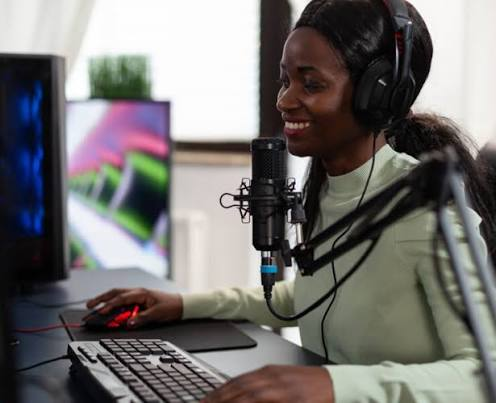
Online streaming has become a popular way to entertain audiences, share knowledge, build communities, and create digital opportunities. From gaming and live discussions to educational sessions and creative demonstrations, streamers use online platforms to connect with viewers in real time. However, becoming a successful casino hot wallets streamer requires more than a camera, a microphone, and an internet connection. It involves developing a combination of communication, technical, creative, and interpersonal skills.
Whether someone is starting their first live stream or looking to improve an existing channel, learning the right skills can make a significant difference. By focusing on audience engagement, consistent content, technical quality, and personal development, streamers can create more enjoyable experiences and build lasting relationships with viewers.
1. Strong Communication Skills
Communication is one of the most important skills for any online streamer. Viewers tune in not only for the content but also for the personality and explanations that make a broadcast interesting. A streamer who communicates clearly can keep an audience engaged and make even ordinary topics more enjoyable.
Successful communication involves speaking at a comfortable pace, explaining ideas effectively, and using an appropriate tone. Streamers should learn to express their thoughts naturally rather than relying entirely on prepared scripts. Asking questions, responding to comments, and sharing relevant experiences can also make a broadcast feel more interactive.
Listening is equally important. When viewers share opinions or ask questions, thoughtful responses help create a welcoming atmosphere. Over time, these communication habits can help a streamer develop a recognizable style.
2. Audience Engagement and Community Building
A successful stream is more than a one-way presentation. It is an opportunity to build a community where viewers feel comfortable participating. Audience engagement helps transform occasional visitors into regular members of a channel.
Streamers can encourage participation by greeting viewers, answering relevant questions, conducting polls, and inviting people to suggest future topics. They should also establish clear community guidelines to keep discussions respectful and enjoyable.
Building a community takes patience. Not every stream will attract a large audience, especially during the early stages. Instead of concentrating exclusively on viewer numbers, creators should focus on providing value to the people who attend. A smaller, active community can offer meaningful feedback and encourage sustainable growth.
3. Technical Knowledge and Equipment Management
Technical knowledge helps streamers deliver a smooth viewing experience. Poor audio, unstable internet connections, or confusing screen layouts can distract viewers, even when the content itself is excellent.
Streamers should understand the basic functions of their streaming software, microphone, camera, lighting, and internet connection. Learning how to adjust audio levels, manage scenes, configure screen layouts, and monitor stream quality can prevent common problems.
It is also useful to understand the platform’s recommended broadcasting settings. Testing equipment before going live allows creators to identify issues before viewers encounter them.
Expensive equipment is not always necessary. A clear microphone, suitable lighting, reliable internet, and a well-organized setup can provide a strong starting point. As a channel develops, streamers can upgrade their equipment according to their actual needs.
4. Content Planning and Creativity
Creative content gives viewers a reason to return. Although spontaneous conversations can be entertaining, having a clear direction helps a stream remain focused and interesting.
Before broadcasting, streamers can prepare a simple outline containing the main topic, planned activities, discussion questions, and possible audience interactions. This preparation reduces awkward pauses and makes it easier to maintain momentum.
Creativity also involves experimenting with different formats. A gaming streamer might introduce themed challenges, while an educational creator could use demonstrations, quizzes, or audience questions. Interview sessions, collaborative broadcasts, and behind-the-scenes discussions can also add variety.
The most effective approach is to understand the audience’s interests while preserving the creator’s individual personality. Original ideas, authentic reactions, and consistent presentation can help distinguish a channel in a competitive online environment.
5. Consistency and Time Management
Consistency helps audiences understand when they can expect new content. A predictable schedule can make it easier for viewers to plan their attendance and develop a routine around their favorite streams.
However, consistency does not mean broadcasting constantly. Streamers should create a realistic schedule that fits their responsibilities, energy levels, and content goals. A few well-prepared sessions each week may be more sustainable than frequent broadcasts that lead to exhaustion.
Time management also includes preparing equipment, organizing topics, reviewing performance, and allowing time for rest. Creators who plan these activities are more likely to maintain quality over the long term.
A practical schedule should leave room for unexpected changes. Communicating schedule updates clearly helps maintain trust with an audience.
6. Adaptability and Problem-Solving
Live streaming involves unpredictable situations. Technical failures, unexpected questions, changes in audience activity, or interruptions can affect a broadcast. Streamers who remain calm and adaptable are better equipped to handle these challenges.
Problem-solving begins with identifying the issue and choosing a practical response. If a technical problem occurs, a prepared backup plan can help minimize disruption. If a discussion becomes less engaging, a streamer might introduce a new question or shift to another planned activity.
Adaptability also means responding to changing audience preferences and platform features. Creators should remain open to experimenting with new formats without abandoning the core qualities that make their content distinctive.
Mistakes are part of learning. Reviewing difficult moments and identifying improvements can help streamers become more confident and capable over time.
7. Emotional Intelligence and Patience
Emotional intelligence helps streamers understand their own reactions and respond appropriately to others. Live audiences can include people with different opinions, communication styles, and expectations. Managing these interactions requires patience, self-awareness, and good judgment.
Streamers should learn to handle constructive criticism without treating every comment as a personal attack. They should also recognize when a discussion is becoming unproductive and use moderation tools when necessary.
Not every viewer will agree with a creator, and not every broadcast will perform as expected. Maintaining a balanced perspective allows streamers to learn from feedback without allowing individual setbacks to determine their confidence.
Emotional intelligence also includes knowing when to take a break. Protecting personal well-being supports creativity, clear thinking, and a healthier relationship with online work.
8. Understanding Analytics and Performance Metrics
Streaming analytics provide useful information about how audiences interact with content. Depending on the platform, creators may be able to review average viewing time, audience retention, returning viewers, chat activity, and follower growth.
Learning to interpret these metrics can help streamers make informed decisions. For example, if viewers frequently leave early, the introduction might need improvement. If certain topics consistently encourage discussion, they may deserve more attention in future broadcasts.
Numbers should be interpreted carefully because individual streams can perform differently for many reasons. A single successful session does not guarantee continued growth, just as one disappointing broadcast does not mean a channel is failing.
The goal is to identify patterns over time and use them to improve content quality, presentation, and audience satisfaction.
9. Personal Branding and Social Media Promotion
Personal branding helps viewers recognize a streamer and understand what makes the channel different. A consistent username, visual style, description, and content theme can create a more memorable identity.
Branding should reflect the creator’s actual personality and the value offered to viewers. A streamer who focuses on educational technology, for example, might use clear explanations and organized demonstrations as defining features.
Social media can also help introduce content to new audiences. Streamers may share short highlights, useful tips, announcements, or memorable moments from their broadcasts. These clips allow people to discover the channel without watching an entire session.
Promotion should remain genuine and respectful. Misleading titles, exaggerated promises, or excessive self-promotion can weaken audience trust. Clear descriptions and useful content provide a stronger foundation for long-term recognition.
10. Responsible Conduct and Digital Safety
Professional behavior is essential for maintaining a trustworthy streaming environment. Streamers should respect audience privacy, follow platform rules, and avoid sharing personal information that could compromise their safety.
Copyright awareness is particularly important. Music, video clips, images, and other creative materials may require permission or an appropriate license before being used in a broadcast. Understanding platform policies can reduce the risk of content removal or account penalties.
Creators should also establish boundaries with viewers and moderators. Clear rules regarding harassment, spam, and inappropriate behavior help protect the community.
Responsible conduct extends to sponsorships and product recommendations. Streamers should communicate paid partnerships clearly and avoid making unsupported claims. Trust takes time to build but can be damaged quickly by dishonest practices.
Conclusion
Successful online streaming depends on a broad set of skills that extend far beyond being entertaining on camera. Strong communication, audience engagement, technical knowledge, creativity, consistency, adaptability, emotional intelligence, and analytical thinking all contribute to a better streaming experience.
Personal branding and responsible online behavior are equally important for building credibility and maintaining a healthy community. Streamers do not need to master every skill immediately. Instead, they can choose one or two areas for improvement, practice regularly, and learn from audience feedback.
With patience, preparation, and a willingness to improve, aspiring creators can develop their own style and build meaningful connections with viewers. The most successful approach is to focus on creating valuable, engaging, and trustworthy content while allowing the channel to grow naturally over time.