
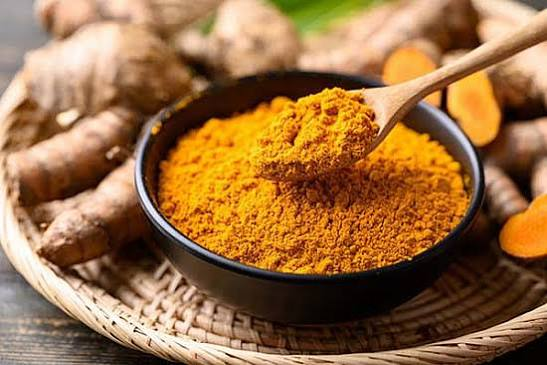
Tumeric Cucumin, more commonly known as turmeric and curcumin, has become a popular topic in modern wellness discussions. Turmeric is a bright yellow-orange Tumeric Cucumin spice traditionally used in cooking and various cultural health practices, while curcumin is one of its naturally occurring compounds. Together, they have attracted attention because of their potential antioxidant and anti-inflammatory properties.
Although research into curcumin is ongoing, it is important to understand what it may offer, how it is commonly used, and why quality and appropriate use matter. This guide explores the basics of Tumeric Cucumin and its potential role in a balanced wellness routine.
What Is Tumeric Cucumin?
The term Tumeric Cucumin is often used online to describe turmeric and its active compound, curcumin. Turmeric comes from the root of the Curcuma longa plant and belongs to the ginger family. It has been used for centuries as a culinary spice and traditional herbal ingredient.
Curcumin is one of the main compounds responsible for turmeric’s characteristic yellow color. Researchers have studied curcumin for its biological activity, particularly its antioxidant and inflammation-related effects.
However, turmeric contains many compounds, and curcumin represents only a portion of the plant’s natural components. This distinction is useful when comparing culinary turmeric with concentrated curcumin supplements.
Why Is Curcumin Getting Attention?
One reason curcumin has attracted scientific interest is its potential influence on oxidative stress and inflammatory processes in the body. Oxidative stress occurs when there is an imbalance between free radicals and the body’s antioxidant defenses.
Curcumin has demonstrated antioxidant activity in laboratory and clinical research. Scientists are also investigating whether it may support healthy inflammatory responses.
These properties have led to studies examining curcumin in areas such as joint comfort, exercise recovery, metabolic health, and general wellness. While some research is encouraging, results vary depending on the formulation, dosage, study design, and individual factors.
Potential Wellness Benefits
Antioxidant Support
Antioxidants help protect cells from oxidative stress. Curcumin has antioxidant properties and may contribute to the body’s overall antioxidant defenses. Including turmeric as part of a varied diet can therefore be one way to add naturally occurring plant compounds to meals.
A healthy diet should still include a broad range of fruits, vegetables, whole grains, legumes, nuts, and other nutrient-rich foods rather than relying on one ingredient.
Support for Healthy Inflammatory Responses
Inflammation is a normal biological process that helps the body respond to challenges. However, maintaining a healthy balance in inflammatory activity is important for overall wellness.
Curcumin has been studied for its possible role in supporting normal inflammatory pathways. Some clinical research has found potential benefits for people experiencing occasional joint discomfort, although more research is needed to determine how effective different products are.
Joint and Mobility Support
Curcumin supplements are often marketed toward people interested in joint health and mobility. Some studies suggest that certain curcumin formulations may help support comfort and physical function.
However, supplements should not replace professional medical care for persistent pain, swelling, or movement problems. Anyone experiencing ongoing symptoms should discuss them with an appropriate healthcare professional.
General Nutritional Wellness
Turmeric can be easily incorporated into everyday meals. Adding it to soups, rice dishes, vegetables, curries, or other recipes can provide flavor and naturally occurring plant compounds.
Using turmeric in food is different from taking a concentrated curcumin supplement. Food-based use is generally part of normal dietary consumption, while supplements can deliver much larger amounts.
How Is Tumeric Cucumin Commonly Used?
Turmeric is traditionally used as a spice in many dishes. It can add color, earthy flavor, and warmth to meals. Some people also use turmeric in beverages or combine it with other ingredients in wellness-oriented recipes.
Curcumin is also available in dietary supplements, including capsules and extracts. Some products are formulated to improve curcumin absorption because curcumin by itself is not absorbed particularly efficiently by the body.
Piperine, a compound found in black pepper, is sometimes included in curcumin supplements because it can increase curcumin absorption. Enhanced-absorption formulations may also use other delivery technologies.
Because different products can vary considerably, consumers should carefully read supplement labels and follow the manufacturer’s directions.
Choosing a Quality Product
If you are considering a Tumeric Cucumin supplement, product quality is an important consideration. Look for clear labeling that identifies the amount of turmeric extract or curcuminoids provided per serving.
Third-party testing can provide additional information about product quality and whether the contents meet stated standards. It is also helpful to choose products from reputable manufacturers rather than relying solely on attractive marketing claims.
More is not necessarily better. High-dose supplements can have different effects from culinary quantities, so users should avoid taking excessive amounts without appropriate professional guidance.
Safety and Important Considerations
Turmeric used as a normal food ingredient is generally considered safe for most people. Concentrated curcumin supplements, however, can interact with medications or cause unwanted effects in some individuals.
People who take medications, have an existing health condition, are preparing for a medical procedure, or are considering regular high-dose supplementation should speak with a qualified healthcare professional before using curcumin supplements.
Possible digestive effects can occur with some concentrated products. It is also important to remember that supplements are not substitutes for prescribed treatment, balanced nutrition, adequate sleep, physical activity, or professional medical advice.
Tumeric Cucumin as Part of a Balanced Lifestyle
The potential value of Tumeric Cucumin is best considered within the bigger picture of wellness. No single spice or supplement can provide everything the body needs.
A balanced lifestyle includes nutritious foods, regular physical activity appropriate for your abilities, sufficient rest, hydration, and healthy daily habits. Turmeric can be a flavorful addition to meals, while carefully selected curcumin supplements may have a place for some adults when used responsibly.
Research continues to explore how curcumin works and which formulations may provide the most meaningful benefits. As evidence develops, consumers should focus on reliable information rather than exaggerated claims.
Final Thoughts
Tumeric Cucumin, referring to turmeric and its well-known compound curcumin, has attracted considerable interest because of its antioxidant activity and potential support for healthy inflammatory processes. It can be consumed naturally through turmeric-containing foods or, when appropriate, through carefully selected supplements.
The most sensible approach is to view it as one possible part of a healthy lifestyle rather than a cure-all. Understanding the difference between culinary turmeric and concentrated curcumin, choosing reputable products, and seeking professional advice when necessary can help people make informed wellness decisions.