
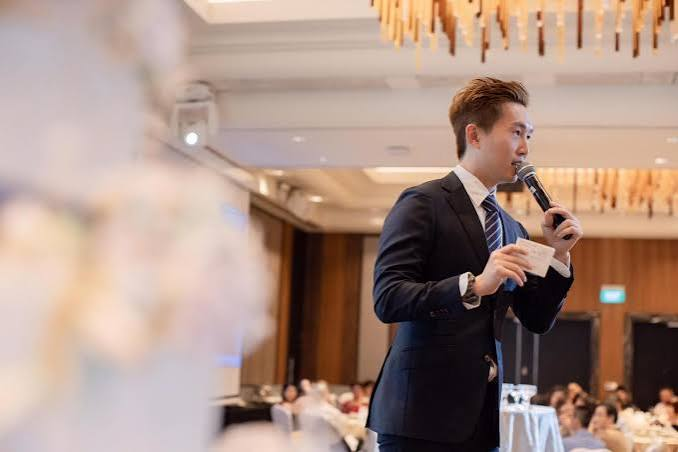
A successful corporate event requires more than a suitable venue, attractive decorations, and a carefully planned schedule. The way an event flows from one activity to another can have a major impact on the overall experience of guests. This is where a corporate event MC can make a valuable difference. A professional master corporate event mc of ceremonies keeps the event organized, introduces speakers, engages the audience, and creates a smooth transition between different parts of the program.
Whether the event is a company conference, product launch, awards ceremony, networking evening, team celebration, or annual meeting, an experienced MC can help create an atmosphere that feels professional and enjoyable. Their role goes beyond simply holding a microphone. They become the communication link between the organizers, speakers, performers, and audience.
Understanding the Role of a Corporate Event MC
A corporate event MC is responsible for guiding attendees through the event program. They introduce presenters, announce important moments, provide relevant information, and help maintain the planned schedule. Their communication style should match the purpose and personality of the event.
Unlike a casual host at a private party, a corporate MC needs to understand professional environments. They should be comfortable speaking to executives, employees, clients, business partners, and large audiences. They also need to know how to remain confident and professional while adding enough energy to keep guests interested.
An experienced MC prepares before the event by reviewing the schedule, learning about speakers, understanding important announcements, and discussing expectations with the event organizers. This preparation allows them to respond naturally when they take the stage.
Creating a Strong First Impression
The opening moments of a corporate event can influence how attendees perceive the entire experience. A confident introduction helps establish the right tone from the beginning.
A skilled MC can welcome guests, introduce the organization, explain what attendees can expect, and provide essential information about the schedule. Their voice, body language, and choice of words can create an atmosphere that feels organized and welcoming.
For example, a formal business conference may require a polished and informative introduction, while a company celebration may benefit from a more energetic and relaxed approach. A professional MC knows how to adjust their presentation style according to the occasion.
Keeping the Event on Schedule
Corporate events often include several activities, including keynote speeches, presentations, panel discussions, awards, entertainment, meals, networking sessions, and announcements. Without proper coordination, small delays can quickly affect the entire schedule.
A corporate event MC helps maintain momentum between activities. They can politely remind guests when it is time to move to another part of the program and introduce the next speaker while the production team prepares.
Timing is particularly important during conferences and business presentations. Speakers may have strict time limits, and venue schedules may also need to be followed. An experienced MC can help keep the program moving without making guests feel rushed.
Engaging the Audience
Even a well-planned event can lose energy if the audience becomes disconnected. An MC helps maintain attention by communicating directly with attendees and creating moments of interaction.
Audience engagement can include simple activities such as questions, applause prompts, introductions, brief conversations, or interactive segments. The MC should understand when engagement is appropriate and when the audience needs to focus on a speaker or presentation.
The goal is not to make the MC the center of attention. Instead, the MC should support the event while helping attendees remain interested and involved.
Introducing Speakers Professionally
Speakers often play a major role in corporate events. Their presentations may include company updates, industry insights, motivational talks, product information, or strategic announcements.
A professional MC introduces each speaker with relevant information that gives the audience context. This can include the person’s name, role, organization, achievements, or the subject they will discuss.
A strong introduction can help establish credibility and encourage attendees to pay attention. It also gives the speaker a confident transition onto the stage.
Handling Unexpected Situations
Live events rarely follow a schedule perfectly. Technical problems, delayed speakers, microphone issues, changes in timing, or unexpected audience reactions can occur.
A skilled MC can help manage these situations calmly. Instead of allowing a short delay to create an uncomfortable silence, they can communicate with the audience and provide useful information while the event team resolves the issue.
This ability to adapt is one of the most valuable qualities of a professional MC. They need to remain composed and avoid creating unnecessary attention around a problem.
Supporting the Event’s Brand
Corporate events are often connected to a company’s brand and reputation. Every part of the experience can influence how employees, customers, investors, and business partners perceive the organization.
An MC contributes to that brand experience through their communication style. Their language, professionalism, appearance, and interaction with guests should align with the company’s values and the nature of the event.
For a technology conference, the style might be modern and energetic. For an executive meeting or awards ceremony, a more formal approach may be suitable. The ability to adapt helps ensure that the MC becomes part of the event’s overall identity.
Working With Event Organizers and Production Teams
Successful event hosting requires teamwork. The MC typically works with event planners, venue staff, audio-visual technicians, speakers, performers, and other professionals.
Before the event begins, the MC should understand the running order and know when important cues will happen. During the event, they may receive signals from the production team about microphones, videos, lighting, presentations, or schedule changes.
Good communication between these professionals reduces confusion and helps create a seamless experience for attendees.
Choosing the Right MC for a Corporate Event
Selecting an MC should involve more than choosing someone who is comfortable speaking in public. The right person should have strong communication skills, professional confidence, good timing, adaptability, and an understanding of corporate audiences.
It is also useful to consider the MC’s experience with similar events. A person who regularly hosts conferences may have a different style from someone who specializes in entertainment-focused events.
Organizers should also discuss the event’s goals, audience, schedule, tone, and expectations before making a decision. This ensures that the MC can prepare appropriately.
Preparing for a Successful Event
Preparation is one of the most important parts of professional event hosting. An MC should review the complete event schedule and identify key moments that require announcements or introductions.
They should also learn how to pronounce speaker names correctly, understand important company terminology, and know the order of presentations. Having backup information can also be helpful if the schedule changes unexpectedly.
A short rehearsal can provide additional confidence. It allows the MC and production team to test microphones, stage movements, presentation cues, and transitions before guests arrive.
Creating Memorable Corporate Experiences
A corporate event can provide opportunities for businesses to educate employees, strengthen relationships, recognize achievements, introduce products, and build professional connections. The experience should therefore feel organized and engaging rather than simply being a series of presentations.
A capable MC contributes to this experience by connecting different sections of the program. Their presence can make transitions feel natural, encourage audience participation, and maintain energy throughout the day.
The best MCs understand that their role is ultimately about serving the event. They allow speakers and important activities to receive attention while providing structure and continuity behind the scenes.
Conclusion
A professional corporate event MC can play an important role in creating a smooth, engaging, and organized business event. From welcoming guests and introducing speakers to managing transitions and responding to unexpected situations, the MC helps connect every part of the program.
When the right person is selected and properly prepared, they can support the event’s goals while creating a positive experience for attendees. Whether organizing a conference, awards ceremony, product launch, company celebration, or networking event, investing in professional hosting can help ensure that every moment is communicated clearly and presented with confidence.