
Introduction
Technology is changing the way people approach fitness, health, and everyday wellness. From smartwatches and fitness bands to mobile health applications, modern devices make it easier to monitor physical activity and understand personal habits. Among these innovations, smart rings are becoming increasingly popular because they combine useful health-tracking features with a compact and comfortable design. Unlike traditional fitness trackers, smart rings fit on a finger and can collect selected health and activity information without requiring users to wear a large device on their wrist.
Fitness enthusiasts are particularly interested in smart rings because they offer a convenient way to monitor sleep, activity, heart rate, and recovery trends. Whether someone enjoys running, strength training, cycling, walking, or simply maintaining an active lifestyle, a smart ring can provide useful information to support daily wellness goals.
As interest in wearable technology continues to grow, products such as the COLMI R09 are attracting attention from people looking for accessible smart rings. Anyone researching this category may come across a colmi r09 review while comparing features, comfort, battery performance, and overall value. Understanding why smart rings are gaining popularity can help consumers decide whether this type of wearable technology fits their needs.
What Is a Smart Ring?
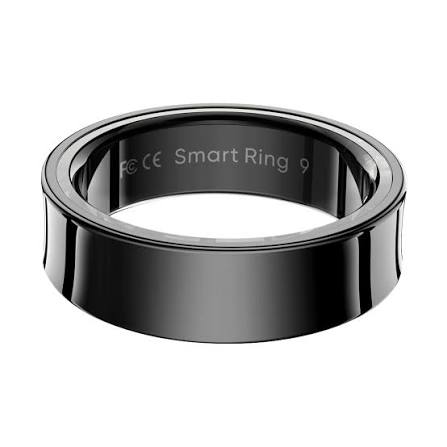
A smart ring is a wearable electronic device designed to collect and display selected information about a person’s activity and health-related patterns. It usually contains small sensors that measure signals such as movement and, depending on the model, heart rate and blood oxygen estimates. The collected information is generally transferred to a compatible smartphone application for viewing and analysis.
Unlike conventional rings, smart rings contain electronic components, sensors, and rechargeable batteries. Their primary advantage is their discreet form factor, which allows users to wear them throughout much of the day without carrying an additional device.
How Smart Rings Work
Smart rings use miniature sensors to collect information while the device is being worn. Optical sensors in supported models can estimate heart rate by detecting changes in blood flow near the skin. Motion sensors can help identify movement and activity patterns, while sleep-tracking algorithms use available sensor data to estimate sleep periods and related trends.
The information is processed and presented through a connected application. Depending on the model, users may be able to review daily activity, resting heart rate, sleep duration, and other measurements.
However, features vary considerably between products. Consumers should check the specifications of each ring rather than assuming that every device supports the same measurements or delivers identical accuracy.
Why Smart Rings Are Becoming Popular Among Fitness Enthusiasts
1. A Lightweight and Comfortable Design
Comfort is one of the main reasons smart rings appeal to fitness enthusiasts. Some people find smartwatches bulky, especially when sleeping, working, or performing activities that involve frequent wrist movement.
A smart ring provides a smaller alternative that can be convenient for everyday wear. Its compact design makes it suitable for people who prefer minimal accessories while still wanting access to selected health and activity information.
Comfort depends on the ring’s weight, thickness, material, and fit. Choosing the correct size is particularly important because a ring that is too tight or too loose may become uncomfortable or produce less reliable sensor readings.
2. Convenient Heart Rate Monitoring
Heart rate is an important measurement for people who participate in regular physical activity. It can help users understand how their bodies respond to exercise and how their resting measurements change over time.
Depending on the model, a smart ring can estimate heart rate during rest and selected daily activities. Reviewing these readings may help fitness enthusiasts identify general patterns and compare their measurements across different days.
For example, a runner might monitor resting heart rate trends alongside training intensity and sleep quality. Someone beginning a general fitness routine might use available measurements to understand changes associated with increased activity.
Nevertheless, not every smart ring is designed for continuous, accurate heart rate monitoring during intense exercise. Movement, fit, skin characteristics, and sensor design can influence readings. People who require detailed workout tracking may prefer a dedicated sports watch or chest-strap monitor.
3. Better Awareness of Sleep Patterns
Sleep is essential for recovery, concentration, and general well-being. Fitness enthusiasts often focus on exercise routines while overlooking the importance of consistent rest.
Smart rings can make sleep monitoring more convenient because many users prefer wearing a lightweight ring overnight instead of a larger wrist device. Supported models may estimate total sleep duration, sleep timing, and different sleep stages.
These measurements can help users recognize patterns, such as regularly going to bed late or getting less sleep before demanding training sessions.
For instance, someone who exercises in the morning may notice that nights with shorter sleep coincide with feeling less energetic the following day. This information can encourage healthier routines, although it cannot establish the exact cause of fatigue.
Sleep-stage estimates are not perfect, and users should not treat them as medical measurements. Consistent sleep habits and personal well-being remain more important than achieving a particular score in an application.
4. Improved Understanding of Recovery
Exercise places demands on the body, and sufficient recovery is important for maintaining a sustainable fitness routine. Smart rings can contribute to recovery awareness by presenting measurements such as resting heart rate, sleep duration, and other available trends.
When viewed together, these measurements may help users notice when their routines are becoming less sustainable. For example, several nights of poor sleep combined with unusually elevated resting heart rate may encourage someone to consider a lighter training day.
Smart rings do not directly measure every aspect of recovery, and a single reading should not determine an entire workout plan. Stress, hydration, illness, daily schedules, and other factors can influence measurements.
Their greatest value comes from identifying longer-term patterns and encouraging users to pay attention to how they feel.
5. A More Discreet Alternative to Smartwatches
Not everyone wants a screen on their wrist throughout the day. Some fitness enthusiasts prefer traditional watches, while others want wearable technology that blends into their everyday clothing.
Smart rings offer a relatively discreet alternative. Their small appearance makes them suitable for work, travel, casual outings, and daily routines without drawing much attention.
Many models rely on a smartphone application instead of a built-in display. This can reduce distractions because users do not need to check a screen constantly for notifications or activity updates.
However, people who want real-time workout statistics, GPS navigation, or visible exercise notifications should check whether a smart ring can provide those functions. Many rings are designed primarily for background monitoring rather than interactive workout guidance.
The Role of Affordable Smart Rings in Fitness Technology
Making Wearable Technology More Accessible
Cost is another factor contributing to interest in smart rings. Premium wearable devices can be expensive, which may discourage beginners who simply want to explore basic health and activity tracking.
More affordable smart rings offer an alternative for consumers who want selected features without investing in a high-priced device. Their value depends on the measurements provided, app quality, construction, battery life, compatibility, and any additional subscription requirements.
An affordable device can be useful when its features match the user’s expectations. However, a lower purchase price does not automatically guarantee accurate measurements or long-term reliability.
Understanding the COLMI R09
The colmi r09 is one of the products consumers may encounter when exploring the smart-ring market. It is relevant to shoppers who want to investigate a compact wearable and compare its advertised capabilities with those of competing devices.
Before purchasing, consumers should verify the exact product specifications, including supported tracking functions, compatible smartphones, battery performance, water-resistance rating, charging method, and application requirements. These details can vary by product version, seller, and market.
Reading a colmi r09 review can be a helpful part of this process, particularly when the review discusses practical use rather than repeating promotional claims. Buyers should look for information about everyday comfort, sensor consistency, charging convenience, and the reliability of the companion application.
It is also important to distinguish advertised features from independently verified performance. If heart rate tracking is a priority, consumers should investigate how the device performs during rest and movement rather than assuming it will match a dedicated sports watch.
How Smart Rings Support Different Fitness Activities
Running and Walking
Runners and walkers often benefit from understanding their daily activity, resting heart rate, and sleep habits. A smart ring may provide useful background information that complements their existing exercise routines.
For example, a person who walks regularly might review daily activity trends to understand whether they are maintaining consistent movement throughout the week.
However, runners who need GPS routes, pace information, distance measurements, and live training zones will generally need a smartphone or a suitable sports watch alongside the ring.
Strength Training
People who perform strength training may use a smart ring to observe general activity and recovery patterns outside their workouts. Sleep information and resting heart rate trends can contribute to a broader understanding of daily habits.
There are also practical limitations. Holding dumbbells, barbells, kettlebells, and other gym equipment can put pressure on a ring, potentially causing discomfort or scratching the device.
Depending on the ring’s material and the exercise involved, removing it during weightlifting may be the safer option. Users should follow the manufacturer’s guidance and prioritize hand safety.
Cycling and Outdoor Activities
Cyclists and outdoor fitness enthusiasts may appreciate a smart ring’s compact design, especially when they do not want another device on their wrist.
A ring can complement other cycling equipment by providing selected health-related information outside the ride. Nevertheless, features such as navigation, cycling speed, route recording, and live performance statistics usually require dedicated devices or compatible applications.
For outdoor use, battery performance, water resistance, fit, and the manufacturer’s operating recommendations deserve particular attention.
General Wellness and Daily Movement
Smart rings are not limited to people who train intensively. They can also appeal to individuals who want to become more active, improve sleep habits, or establish a consistent daily routine.
Some devices present activity summaries or reminders that encourage movement. These features can make everyday goals easier to monitor, particularly for people who spend long periods sitting at a desk.
The most useful approach is to treat tracking as a source of information rather than a competition. Small, sustainable improvements often matter more than achieving perfect daily scores.
Smart Rings Versus Smartwatches
Both smart rings and smartwatches can support fitness tracking, but they serve somewhat different purposes.
Advantages of Smart Rings
Smart rings generally offer a compact design and may be comfortable for overnight wear. They can be attractive to people who want selected measurements without a screen or frequent notifications.
Depending on the model, a ring may also have a battery life that supports multiple days of use. Actual performance varies according to the device, settings, and frequency of measurement.
Advantages of Smartwatches
Smartwatches typically provide more interactive features, including displays, workout modes, notifications, and, on certain models, built-in GPS.
Many sports-oriented watches also provide more detailed exercise statistics and easier access to live training information. These features can be valuable for athletes who follow structured training plans.
Which Device Is Better?
The better option depends on personal priorities. Someone who values discreet daily tracking and overnight comfort may prefer a smart ring. Someone who needs live exercise statistics, route tracking, and detailed workout controls may benefit more from a smartwatch.
Some fitness enthusiasts use both devices for different purposes. The ring provides background health and sleep information, while the watch handles workouts and outdoor navigation.
Important Features to Consider Before Buying a Smart Ring
Sensor Performance and Measurement Accuracy
Consumers should investigate which measurements a device actually supports and how consistently it records them. Heart rate, sleep estimates, activity detection, and blood oxygen measurements can differ in reliability between models.
Independent testing is particularly useful when available. Marketing descriptions alone cannot establish measurement accuracy.
Battery Life and Charging
Battery life affects how convenient a smart ring is for daily use. Buyers should check the manufacturer’s stated battery duration and understand that frequent measurements, connectivity, and other settings can influence performance.
The charging method also matters. A suitable charging case or dock can make everyday use easier, while lengthy charging times may interrupt tracking routines.
Smartphone Compatibility and Application Quality
A smart ring depends heavily on its companion application. Before buying, users should confirm that the ring works with their smartphone and that the application supports the features they need.
A useful application should present information clearly, synchronize reliably, and make historical trends easy to understand. Buyers should also review available privacy information to understand how their personal data is collected, stored, and shared.
Durability and Water Resistance
Fitness enthusiasts need to consider how a ring will perform during everyday activities. Water resistance ratings differ between products, so users should verify whether a particular ring is suitable for handwashing, swimming, showering, or other water exposure.
Water resistance does not necessarily mean that every activity is supported. Following the manufacturer’s instructions helps reduce the risk of damage.
Price and Overall Value
The purchase price is only one part of the decision. Consumers should also consider application fees, warranty coverage, replacement options, customer support, and the availability of software updates.
An affordable ring that consistently provides the information a person needs may offer better value than an expensive product filled with unnecessary features.
Limitations of Smart Rings That Buyers Should Know
Despite their growing popularity, smart rings have limitations. Their compact size restricts the hardware they can accommodate, and many models do not offer the same interactive features as smartwatches.
Measurement accuracy may also change with movement, fit, temperature, and other conditions. Some rings provide limited workout recognition or lack detailed sports modes.
Another consideration is data interpretation. Health and fitness applications can make measurements appear more precise than they really are. Users should avoid making important medical decisions based solely on wearable readings.
Privacy is equally important. Before connecting a ring to an application, consumers should understand its permissions and review the company’s privacy practices.
These limitations do not make smart rings unsuitable for fitness enthusiasts. They simply highlight the importance of choosing a product based on realistic expectations.
The Future of Smart Rings in Fitness
Smart-ring technology continues to attract attention as manufacturers explore smaller sensors, improved battery efficiency, and more useful health-tracking software.
Future products may provide more consistent measurements, clearer recovery insights, and better integration with fitness applications. Improvements in software could also help users understand long-term patterns without requiring them to interpret large amounts of data manually.
Artificial intelligence may contribute to more personalized summaries and recommendations. However, the quality of those insights will depend on sensor performance, data quality, and responsible software design.
As competition increases, consumers may also benefit from a wider selection of designs and price points. Affordable models could make basic wearable tracking more accessible, while advanced products may focus on specialized features.
The long-term success of smart rings will depend on whether manufacturers can deliver dependable performance, comfortable designs, useful applications, and transparent privacy practices.
Conclusion
Smart rings are becoming popular among fitness enthusiasts because they combine discreet design, convenient wearability, and access to selected health and activity measurements. Features such as heart rate monitoring, sleep tracking, and recovery-related insights can help users understand their routines and make more informed everyday decisions.
They are particularly appealing to people who prefer a smaller alternative to a smartwatch or want background tracking without constant screen notifications. At the same time, they are not a complete replacement for dedicated sports watches or medical equipment.
Consumers researching affordable options should compare specifications, battery life, sensor performance, comfort, smartphone compatibility, and privacy protections before purchasing. A colmi r09 review can contribute to that research when it provides practical observations and clearly distinguishes verified performance from advertised features.
Ultimately, the best smart ring is the one that fits comfortably, provides useful information, and supports realistic personal goals. When used thoughtfully, smart rings can become a helpful part of a balanced fitness routine, encouraging greater awareness of movement, rest, and everyday well-being.